



Breaking Down TV Commercial Costs: Understanding TV Ad Production Costs in New Orleans.

Updated: May 7
Creating a TV commercial in New Orleans is a powerful way to reach a broad audience and boost brand awareness. However, many businesses hesitate due to the perceived high costs involved. Understanding the various components that contribute to the overall expense can help you plan your budget effectively and make informed decisions. This article breaks down the key factors influencing TV commercial costs and offers practical insights to help you navigate the process.
What Influences TV Ad Production Cost?
The cost of producing a TV commercial varies widely depending on several factors. These include the complexity of the concept, the length of the commercial, the talent involved, and the production quality desired. Here are some of the main elements that impact the overall price:
Concept Development and Scriptwriting: Crafting a compelling story or message requires creative input from writers and strategists. This phase can cost anywhere from a few hundred to several thousand dollars, depending on the agency or freelancer you hire.
Casting and Talent Fees: Hiring professional actors, voice-over artists, or presenters adds to the budget. Well-known personalities or celebrities command higher fees.
Location and Set Design: Filming on location or building custom sets increases costs. Studio rentals and permits also add to expenses.
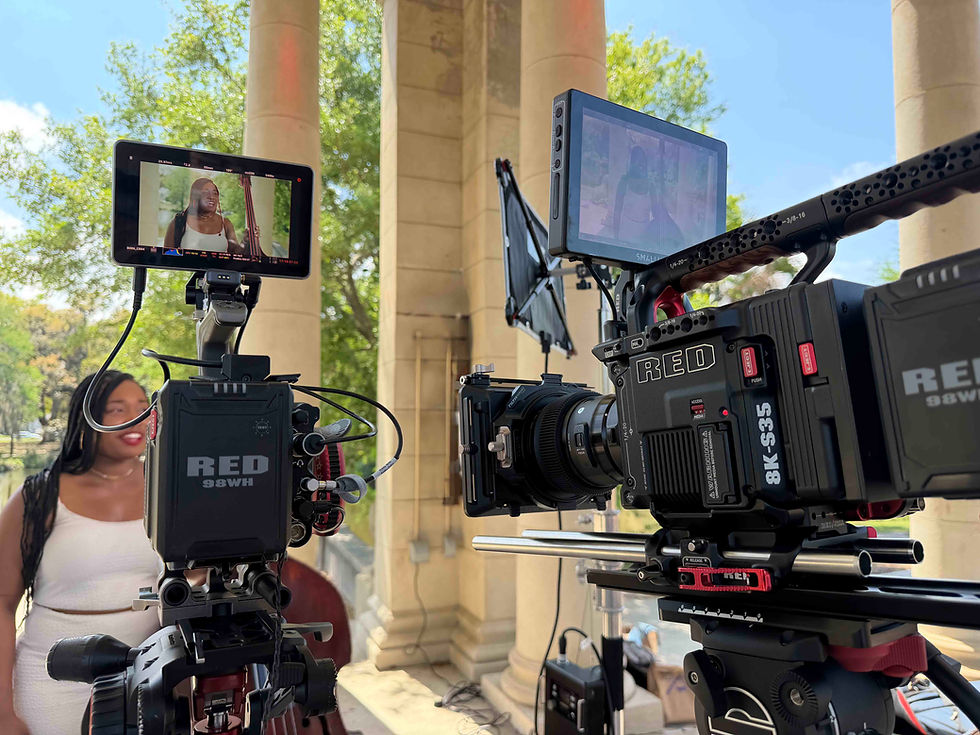
Equipment and Crew: High-quality cameras, lighting, sound equipment, and a skilled crew are essential for professional results. The size and experience of the crew affect the price.
Post-Production: Editing, color grading, special effects, and sound mixing are crucial for polishing the final product. These services require specialized professionals and software.
Music and Licensing: Original compositions or licensed tracks can enhance the commercial but come with additional fees.
Distribution and Air Time: Buying airtime on TV networks is often the most significant expense. Costs vary by channel, time slot, and geographic reach.
Understanding these components helps you identify where to allocate your budget and where you might save costs without compromising quality.

Breaking Down TV Commercial Production Cost
When budgeting for a TV commercial, it’s helpful to separate production costs from media buying costs. Production costs cover everything involved in creating the commercial itself, while media buying refers to purchasing airtime.
Typical Production Cost Ranges
Low-budget commercials: $5,000 to $20,000
These usually involve simple concepts, minimal crew, and limited post-production. Suitable for local businesses or short campaigns.
Mid-range commercials: $20,000 to $100,000
These include professional actors, multiple locations, and higher production values. Often used by regional brands.
High-end commercials: $100,000 to $1 million+
These feature celebrity talent, elaborate sets, special effects, and extensive post-production. Common for national campaigns and large brands.
Tips to Manage Production Costs
Plan thoroughly: A clear script and storyboard reduce costly changes during filming.
Use local talent and locations: This can significantly cut expenses.
Limit shoot days: The longer the shoot, the higher the costs.
Negotiate with vendors: Equipment rentals and post-production services often have flexible pricing.
Consider animation or motion graphics: These can be more cost-effective than live-action shoots.
By understanding these cost brackets and strategies, you can better align your commercial’s scope with your budget.

How much is a 60-second commercial in New Orleans?
The length of a commercial directly affects its cost. A 60-second spot requires more filming time, editing, and airtime than shorter ads. Here’s a breakdown of what to expect:
Production Costs: For a 60-second commercial, production costs can range from $20,000 to $500,000 or more, depending on complexity. This includes all phases from pre-production to post-production.
Airtime Costs: Buying a 60-second slot on a major network during prime time can cost anywhere from $100,000 to over $1 million, depending on the market size and program.
Cost per Second: While longer commercials cost more overall, the cost per second often decreases with length. For example, a 15-second spot might cost $10,000 to produce, while a 60-second spot might cost $50,000, making the per-second cost lower.
Practical Example
A regional business might spend $30,000 producing a 60-second commercial with local actors and simple sets. Airtime on a local station could cost $1,000 to $5,000 per slot. This combination allows for multiple airings within a reasonable budget.
Recommendations
Evaluate if a 60-second commercial is necessary or if a shorter spot can deliver your message effectively.
Consider breaking the 60-second commercial into shorter versions for different platforms.
Plan your airtime purchases strategically to maximize reach and frequency.
Additional Costs to Consider
Beyond production and airtime, several other expenses can impact your total budget:
Agency Fees: If you hire an advertising agency, expect fees for project management and creative services.
Legal and Clearances: Rights for music, talent releases, and trademarks must be secured.
Contingency Budget: Always allocate 10-20% extra for unexpected costs.
Digital Adaptations: Creating versions for social media or online platforms may require additional editing.
Being aware of these hidden costs helps avoid surprises and ensures your campaign runs smoothly.
Making the Most of Your TV Commercial Investment
Investing in a TV commercial can yield significant returns if done correctly. Here are some actionable tips to maximize your budget:
Set clear objectives: Define what you want to achieve - brand awareness, product launch, or sales boost.
Target your audience: Choose channels and time slots that reach your ideal customers.
Measure performance: Use tracking tools and customer feedback to assess effectiveness.
Repurpose content: Use your commercial footage for online ads, social media, and presentations.
Work with experienced professionals: Skilled producers and directors can optimize your budget and creative impact.
For businesses looking to understand the detailed breakdown of costs, exploring tv commercial production cost resources can provide valuable insights and help plan your campaign effectively.
By breaking down the various components of TV commercial costs, you can approach your advertising campaign with confidence. Careful planning, budgeting, and strategic decisions will help you create a compelling commercial that delivers results without overspending.


Comments