



Capturing Rare Seed Live in New Orleans with 4 Cameras and Multichannel Audio

A live rock show doesn’t give you a second take. The drummer counts in, the room shifts, the lights change, and the band either gets captured right or it doesn’t.
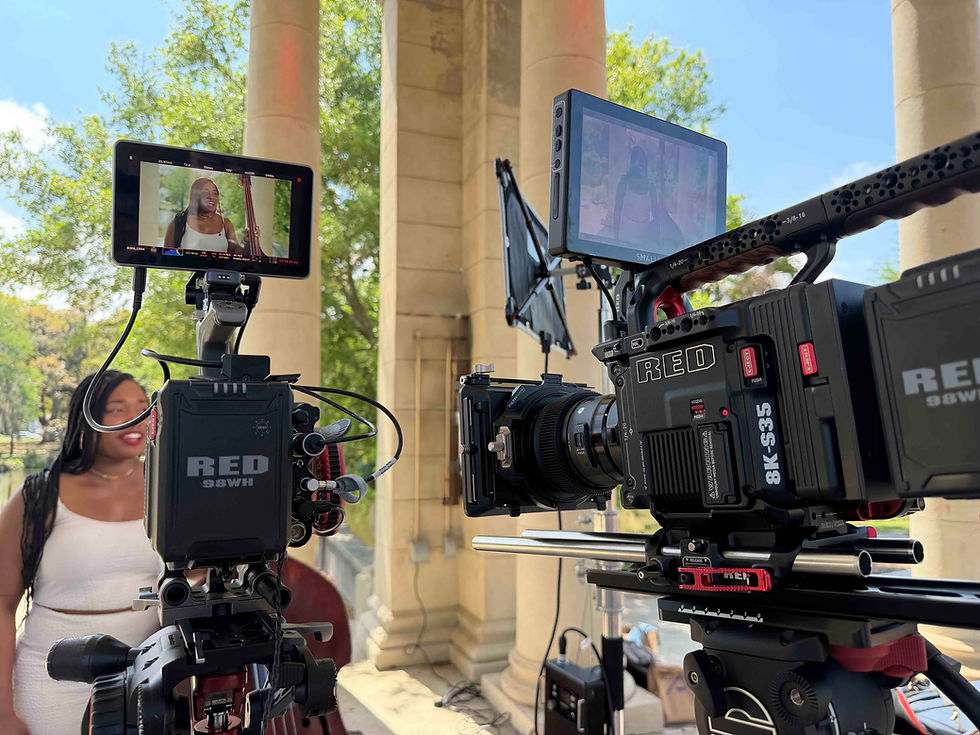
That was the mindset behind filming Rare Seed, a New Orleans live music rock presentation. We used a 4-camera setup with RED cinema cameras and recorded multichannel audio into Logic for future sound mastering.
The goal was simple: make the performance feel alive on screen without losing the detail, punch, and space of the live sound.
Why a 4-camera setup matters for a live rock performance
One camera can document a show. Four cameras can tell the story of it.
For Rare Seed, the performance had movement, volume, and quick shifts between players. A good live music video needs to catch more than the lead vocal. It needs the drummer locking in, the guitarist reacting, the bass player holding the groove, and the room responding to it all.
With four cameras, we could cover the show from different angles at the same time:
A wide shot to hold the full stage and room energy
A tighter angle for vocals and lead moments
A side angle for guitars, drums, and movement
A roaming or alternate locked angle for cutaways and performance details
That kind of coverage gives the edit room to breathe. If a vocalist steps away from the mic or a guitarist turns into the light, there’s another angle ready. The final video feels intentional instead of patched together.
For New Orleans Live music filming, this matters a lot. Local stages are often full of personality, but they can also be tight, dark, and unpredictable. You need a camera plan that respects the venue while still giving the band a polished final piece.

Why we use RED cinema cameras
RED cinema cameras are built for images with depth, color, and flexibility. For a live rock show, that gives the production team more control when dealing with fast lighting changes and high-contrast stage looks.
Rock performances can be rough on cameras. You might have deep shadows, bright backlights, flashes of red or blue, and musicians moving in and out of key light. A stronger cinema camera setup helps preserve detail in those moments.
The biggest benefits for this shoot were:
Better image flexibility
RED footage gives more room in color correction. That helps when each camera sees the stage from a different angle and catches different lighting.
A more cinematic feel
Live videos shouldn’t feel flat. The camera choice helps shape the mood, especially when the band has a gritty or high-energy sound.
Clean coverage for editing
When all cameras are matched well, the final edit feels cohesive. The viewer stays inside the performance instead of noticing camera changes.
The cameras are only part of the equation, though. Placement matters just as much. A great camera in the wrong spot can still miss the show.
Capturing multichannel audio into Logic
The video is what people see first, but the audio is what makes them stay.
For Rare Seed’s set, the audio was captured as multichannel tracks into Logic, which gives the band and sound team options later for mixing and mastering. Instead of relying only on a camera mic or a single stereo feed, multichannel recording keeps the core elements separated.
The MIDI-connected part of the setup can help with sync, control, or communication between gear, depending on the exact rig. The audio itself is captured through the proper audio interface or recording path into Logic. That distinction matters because MIDI doesn’t carry audio the way an XLR or audio interface does, but it can still play a useful role in keeping a live recording system organized.
This is where Live Music recording and New Orleans videography become more than just pointing cameras at a stage. The sound needs a plan before the band starts playing.

Planning the shoot around the venue
Every New Orleans music venue has its own rhythm. Some rooms have low ceilings. Some have tight stage corners. Some have killer lighting in one direction and almost no light in another. The camera plan has to fit the room, not fight it.
For a 4-camera live shoot, the first step is knowing where the cameras can go without blocking the crowd, the staff, or the band. The second step is figuring out which camera is responsible for which part of the performance.
A practical setup looks something like this:
Camera position | Main job |
Front wide | Capture the full stage and crowd perspective |
Front tight | Follow vocals, solos, and key performance moments |
Side stage | Catch musician interaction and instrument detail |
Rear or roaming angle | Add atmosphere, movement, and cutaway options |
This kind of layout keeps the coverage balanced. It also helps the editor know what each camera is meant to provide.
For venues, it also keeps things smoother during the show. Fewer last-minute moves. Fewer cables in bad places. Less stress for everyone.
The edit depends on good sync
Once the show is filmed, the real build starts in post.
Four camera angles and multichannel audio need to line up cleanly. If the sync is off, even by a little, the performance starts to feel wrong. Drum hits won’t match. Guitar strums will feel late. The singer’s mouth won’t quite connect to the vocal.
That’s why sync planning matters before recording starts. Timecode, scratch audio, clear start points, and organized file naming all help. The cleaner the setup, the faster the edit can move.
After sync, the editor can cut based on the energy of the song. That means switching angles for musical reasons, not random ones. A chorus might call for a wider shot. A guitar break might need a tight angle. A quiet section might work better with slower cuts and more room tone.
Why this kind of capture helps bands after the show
A well-filmed live performance can do a lot of work.
Bands can use the footage for booking, music videos, live session releases, behind-the-scenes edits, documentary pieces, and social clips. Venues can use this kind of production to show what their room feels like when it’s full of music and energy.
The big advantage is that the band walks away with more than a memory of the night. They get a performance asset that can be shaped into different finished pieces.
If the audio is captured cleanly and the video is covered from multiple angles, there’s room to create:
A full live performance video
Individual song cuts
Short promo clips
A live EP visual companion
Venue highlight footage
Documentary-style band content
That’s the difference between simply recording a show and building something useful from it.
FAQ
How many cameras are best for filming a live band?
Four cameras is a strong setup for most live band shoots. It gives you a wide shot, close performance angles, and cutaways without making the venue feel crowded.
Why record multichannel audio instead of using the camera audio?
Camera audio is mainly useful for reference. Multichannel audio lets each instrument or group of instruments be mixed later, which gives the final video a much better sound.
Can a small venue handle a 4-camera setup?
Yes, if the layout is planned ahead of time. Camera placement, cable safety, sightlines, and staff movement all need to be considered before doors open.
Is Logic good for live music recording?
Logic can work very well for multichannel capture when the recording setup is built correctly. The key is using the right interface, routing, storage, and session settings.
Do bands need live video if they already have music online?
Live video shows the energy that studio tracks can’t always show. For rock bands especially, a strong live cut can help people understand the performance, not just the songs.
A live show deserves a real capture plan
Rare Seed’s New Orleans performance needed coverage that matched the band’s energy, so the production had to treat both picture and sound with care. The 4-camera RED setup gave the edit strong visual options, while the multichannel Logic recording created a path for proper sound work after the show.
If you’re planning a live session, concert film, or music video project, the best time to solve camera and audio problems is before the first note. You can plan your New Orleans music video or live performance shoot here.


Comments